Waste: Disperse vs Dispose – The Conundrum
From plastic and outdated electronics to kitchen waste, construction debris, and radioactive isotopes, the disposal of unwanted materials is a ...

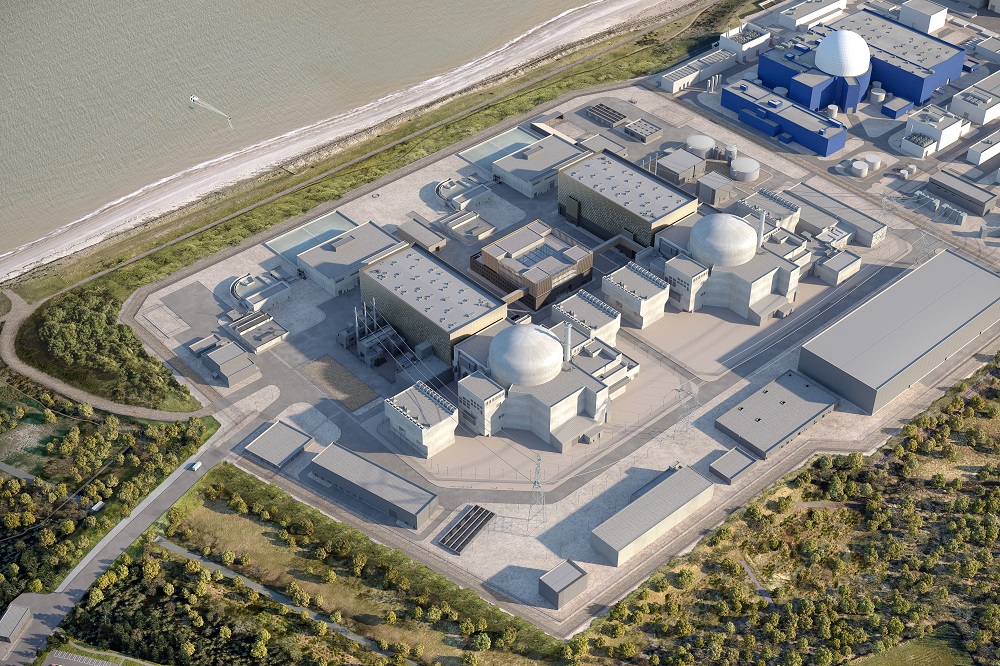
The future of nuclear energy in the UK took a major step forward this month, as the government confirmed final approval for Sizewell C – a new nuclear power station on the Suffolk coast.
Backed by a landmark £38bn funding package, the project will be delivered through a public-private coalition, with the UK Government as the largest shareholder. Other partners include the French energy group EDF (Sizewell C’s developer), Canadian pension fund La Caisse, Centrica (the parent company of British Gas), and Amber Infrastructure.
This will be Britain’s second new nuclear power station after Hinkley Point C, and is expected to supply low-carbon electricity to approximately six million homes.
Compared to Hinkley, the Sizewell C project is expected to be delivered at a lower cost. Beyond the environmental and energy security benefits, it also promises substantial economic impact. The project is set to:
Create 10,000 jobs, including 1,500 apprenticeships
Unlock business opportunities across the UK supply chain
Cut annual energy costs by £2bn once operational (targeted for the mid-to-late 2030s)
Preparatory work is already underway on site. Following the Development Consent Order issued earlier in 2024, contractors have begun large-scale earthworks, road construction, and development of a dedicated rail delivery programme to support ongoing logistics.
Sizewell C is a significant part of the UK’s wider strategy to ensure long-term energy security and meet net-zero targets. With the World Bank recently shifting its stance on nuclear and support for Small Modular Reactors growing, this project reinforces a global trend toward diversified, low-carbon energy portfolios.
At Prospect Law, our Nuclear team continue to support clients involved in complex energy infrastructure projects helping them navigate regulatory frameworks, funding mechanisms, and environmental obligations with confidence.
For more updates on our nuclear, visit our Journal.
By UK Government – https://environmentagency.blog.gov.uk/2023/03/28/permitting-a-new-nuclear-power-station-sizewell-c/, OGL 3, https://commons.wikimedia.org/w/index.php?curid=151460893
John Ireland is an internationally experienced energy specialist and senior business executive skilled in the development, negotiation, and management of businesses and technically complex contracts within both the Government and private sectors. John has grown complex businesses in Asia and the Middle East, and assisted international organisations to develop business in and from the UK through joint ventures and partnerships.
Prospect is a multi-disciplinary practice with specialist expertise in the energy and environmental sectors with particular experience in the low carbon energy sector. The firm is made up of lawyers, engineers, insurance and risk management specialists, and finance experts.
This article remains the copyright property of Prospect Law Ltd and neither the article nor any part of it may be published or copied without the prior written permission of the directors of Prospect Law.
This article is not intended to constitute legal or other professional advice and it should not be relied on in any way.
Further Reading
From plastic and outdated electronics to kitchen waste, construction debris, and radioactive isotopes, the disposal of unwanted materials is a ...
As technology continues to advance at a rapid pace, it introduces revolutionary platforms that foster direct connections between individuals and ...
Prospect Law welcomes the Confiscation Order in the sum of £739,263 which Her Honour Judge Lana Wood made against Mohammed Mehdi ...
Complex insurance claims can have serious consequences for a business, affecting cash flow, project delivery and, in some cases, its ...
Our Energy Economist, Dominic Whittome, shares his Energy Highlights Report on oil, natural gas, and electricity prices in 2024. Delving into ...
As HMG grapples with challenging decisions on how best to sustain energy security in the UK through potential investment in ...