UK’s Financial Conduct Authority Faces Legal Action
Climate Risk and more generally ESG-related legal challenges have greatly increased in recent years. Recently, ClientEarth have filed a case ...

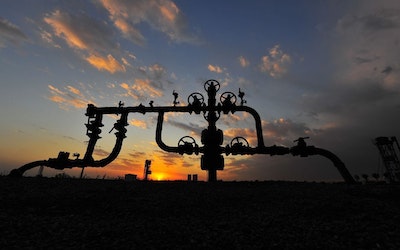
The Eastmed Pipeline project has been a subject of much debate and speculation within the energy sector. Intended to transport natural gas from the Eastern Mediterranean region to Europe, this ambitious venture promises to enhance energy security and diversify supply sources. However, the project’s viability is continually questioned due to geopolitical tensions, economic feasibility, and environmental concerns. Let’s delve into the details to determine whether the Eastmed Pipeline is a hard reality or merely a pipedream.
The Eastmed Pipeline is designed to span approximately 1,900 kilometers, connecting the natural gas reserves in the Eastern Mediterranean to European markets. Starting from the Levantine Basin, the pipeline will pass through Cyprus and Greece before reaching Italy, linking to the broader European gas network. The project’s primary objective is to reduce Europe’s dependency on Russian gas, offering an alternative supply route that could significantly bolster energy security.
One of the most formidable challenges facing the Eastmed Pipeline is the complex geopolitical landscape of the Eastern Mediterranean. The region is fraught with longstanding disputes, particularly between Turkey, Greece, and Cyprus. Turkey’s claims over maritime zones in the Eastern Mediterranean have led to heightened tensions and conflicting interests. The pipeline’s route directly intersects these contested areas, making geopolitical stability a critical concern for the project’s progression.
The financial viability of the Eastmed Pipeline is another crucial factor under scrutiny. The estimated cost of the project ranges from $6 billion to $7 billion, a hefty price tag that necessitates substantial investment. Moreover, the global energy market is shifting towards renewable sources, raising questions about the long-term demand for natural gas. Investors are cautious, weighing the potential returns against the backdrop of a transitioning energy landscape.
As with any large-scale infrastructure project, the Eastmed Pipeline faces significant environmental scrutiny. The pipeline’s construction and operation could disrupt marine ecosystems and local biodiversity. Additionally, in an era of increasing environmental awareness and commitment to reducing carbon footprints, the emphasis on fossil fuel infrastructure projects is diminishing. Environmental advocates argue that investment in renewable energy sources would be a more sustainable and forward-looking approach.
The technical aspects of the Eastmed Pipeline also pose significant hurdles. Constructing a pipeline of this magnitude involves advanced engineering and technological expertise, especially given the depths of the Mediterranean Sea and the varied terrain it must traverse. Ensuring the pipeline’s integrity and safety over such a long distance is a complex and costly endeavor, further complicating its feasibility.
Despite the challenges, the Eastmed Pipeline holds considerable strategic importance. For countries like Cyprus, Greece, and Israel, the pipeline represents an opportunity to become key players in the European energy market. For Europe, diversifying gas supplies is a strategic imperative to reduce reliance on Russian gas, especially in light of recent geopolitical tensions and supply disruptions.
The Eastmed Pipeline straddles the line between hard reality and pipedream. On one hand, its strategic benefits and potential to enhance energy security are compelling. On the other hand, geopolitical tensions, economic feasibility, environmental concerns, and technical challenges cast significant doubt on its realization. The project’s future hinges on the ability of the involved parties to navigate these complex issues, secure necessary investments, and demonstrate a clear commitment to sustainable energy practices.
Prospect is a multi-disciplinary practice with specialist expertise in the energy and environmental sectors with particular experience in the low carbon energy sector. The firm is made up of lawyers, engineers, insurance and risk management specialists, and finance experts.
This article remains the copyright property of Prospect Law Ltd and neither the article nor any part of it may be published or copied without the prior written permission of the directors of Prospect Law.
This article is not intended to constitute legal or other professional advice and it should not be relied on in any way.
Further Reading
Climate Risk and more generally ESG-related legal challenges have greatly increased in recent years. Recently, ClientEarth have filed a case ...
The Netherlands British Chamber of Commerce interviewed our Senior Disputes Lawyer, Reina Maria Van Pallandt for its recent edition of ...
As the world moves towards a more sustainable future, the European Union (EU) is taking significant steps to empower consumers ...
Why the softening insurance market should be the beginning, not the end, of your risk financing review A falling premium ...
Nigeria and Egypt are two good examples of countries suffering from the effects of the Curse of Resources. /*! elementor - ...
On 11 October 2022, Brookfield Business Partners announced the proposed sale of US headquartered company, Westinghouse Electric Company, to a joint venture ...