Navigating the Westinghouse Merger Control Process
On 11 October 2022, Brookfield Business Partners announced the proposed sale of US headquartered company, Westinghouse Electric Company, to a joint venture ...

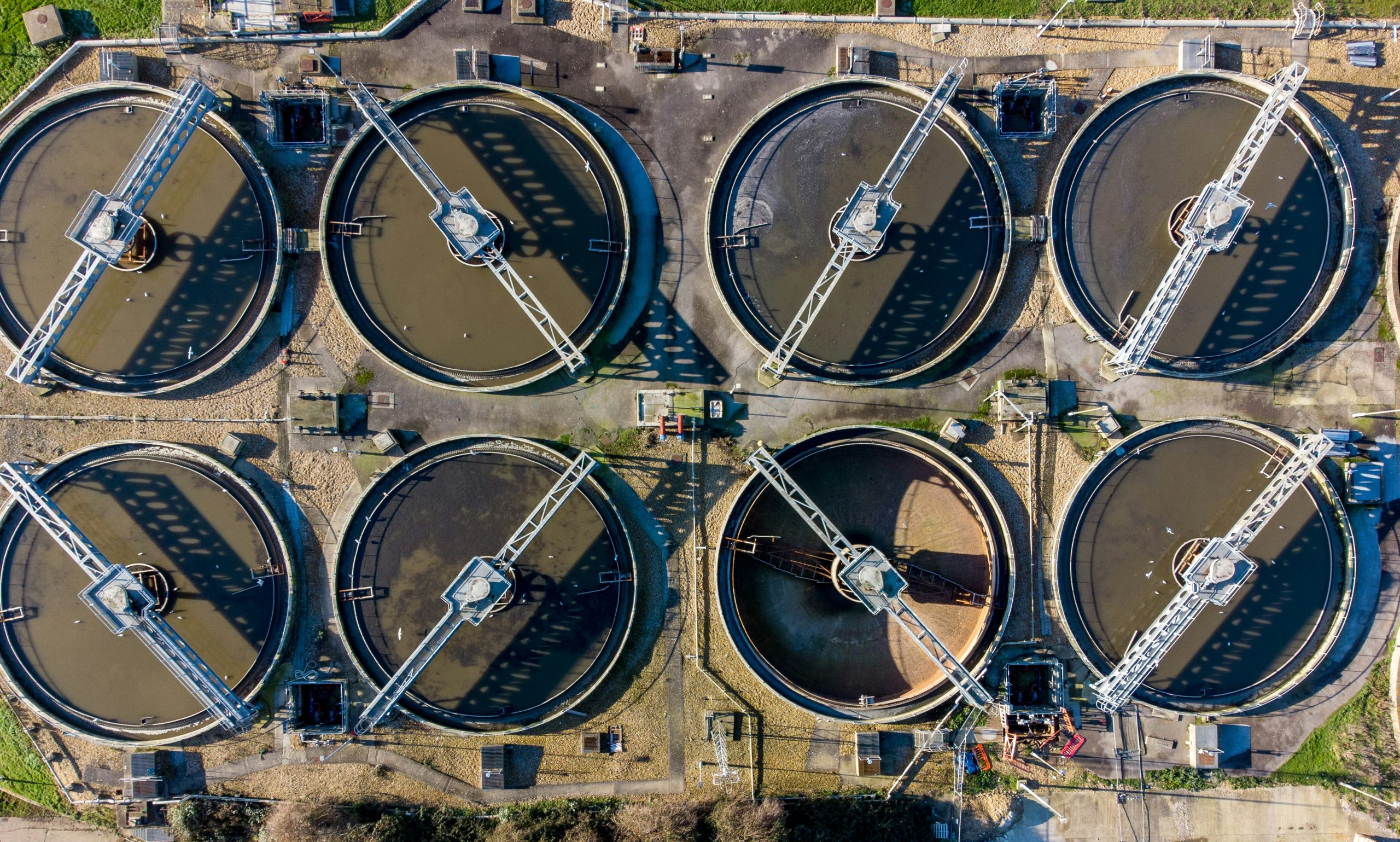
As we are all aware, water is a vital necessity for an environment to thrive. It is a substance which has supported and cradled the earliest forms of life on our planet, and it is what allowed us to evolve into the land-dwelling species we are today. Every living organism on earth requires water for its survival. However, the increasing issue of sewage spills threatens our waterways and ecosystems.
Paying due regard to this context, it comes as a surprise that England’s seas and rivers are becoming more and more polluted by the very water companies which have been entrusted to safeguard and protect them. According to a report published by the Environmental Agency in March this year, in 2023 water companies in England reported 465,056 untreated (raw) sewage spills. The duration of these spills accumulated to a combined total of 3.6 million hours, averaging 9,863 hours daily. The statistics, whilst shocking alone, become all the more real when considering the environmental impact.
The Angling Trust reports that in 2022, where the sewage spills totaled 1.7 million hours, 42,000 fish from varying species died due to pollution, whereas in 2023, the number increased to 116,135. Further, Surfers Against Sewage claims to have received 1,924 sickness reports from water users who became ill after entering UK water.
The statistics pose the question of why. Why is it that water companies can be permitted to pollute rivers and waters?
The majority of the UK has a combined sewage system. This system means that both rainwater and wastewater, water from toilets, bathrooms and kitchens, combine and are carried in the same pipes. To avoid a rush of water entering sewage treatment plants during heavy or prolonged rains, water companies are legally entitled to spill excess sewage into rivers and seas. Whilst the mean rainfall has increased in the UK due to the effect of global warming, the number of spills has accelerated far beyond what could be considered in line. Why is it then that there is such an increase in 2023?
It appears that this greater increase is owed to a higher level of reporting capabilities from the water companies themselves. This increase in reporting comes from monitors now being installed on all of the 22,000 combined sewage overflow pipes. However, before we pop the champagne, the water regulator OfWat said that 1 in 6 monitors installed worked less than 90% of the time. Furthermore, there are currently 7,000 “emergency” overflow pipes which remain unmonitored, with them set to be for 2025.
With the general election in mind, it is unlikely that legislative reform will come in the short term. However, each party voices a clear concern for the levels of pollution in our rivers and seas in their manifestos. In the recent Criminal Justice Bill, a new clause (91) proposed to make it a criminal offence for water companies to “fail to meet water pollution commitment levels” resulting in either a summary conviction with a fine or a conviction with an indictment with a fine. This clause failed after Conservative MPs voted against it and Labour MPs abstained from the vote. In what can only be described as an attempt at irony, on the same day the clause failed to be passed, the BBC reported that United Utilities for 10 hours illegally pump 10,000,000 litres of sewage spills into Lake Windermere. Legislative reform is needed in this area, reform which obliges water companies to reinvest in their infrastructure, especially concerning the combined sewage system. However, with the uncertainty of a general election, it may be some time before there is a cross-party understanding of how this issue should be tackled.
Further, a solution may be vesting more powers in OfWat, the water regulator. Such powers may be to ensure that large water companies are completing ESG audits and have them readily available to the public. This would create greater accountability for the decision-making processes water companies undertake. Further, contracting an experienced third party to oversee and advise on risk management would have the effect of mitigating potential risks through correct identification and providing solutions. Essentially, the water companies have been trusted to safeguard our rivers and waters and they have failed. Greater accountability to the public and greater risk mitigation is required.
This article does not intend to solely blame the water companies, although it may seem that way. Like any adequate infrastructure, different governing bodies must work together to relieve the pressure until correct reform can be achieved. For example, local councils are now beginning to consider the ‘sponginess’ of their cities and areas. This comes after London was found to be the least sponge-like city in a global survey, scoring 22% natural water absorption capability. Sponge City means a city which is capable of naturally absorbing water instead of heavily relying on drainage systems. This is achieved through greater green space areas through the removal of large, concreted areas, letting the environment drink the heavy rainfall instead of it having to be processed in a sewage plant. However, this could only be effectively achieved through the efficient coordination between water companies and councils. Increasing the water absorption capability of our towns and cities would alleviate the requirements for water processing at sewage plants and thus, in theory, should minimise the number of spills. Even then, there needs to be greater accountability to oversee that companies do not illegally spill.
In short, we need legislative reform. But until we have that water companies and councils need to mitigate the risks of floods and must be held accountable for the long-lasting damage they are causing to our natural waterways and seas. For expert assistance in managing these risks and ensuring compliance, get in touch with Mark Tetley. Our risk management services can help you navigate these challenges effectively.
Article by Harvey Riggot
Harvey Riggott is studying BPC at the University of law with the aim of becoming a barrister. Harvey intends to specialise in personal injury and clinical negligence however, he is fascinated by employment, environmental and property law.
Prospect is a multi-disciplinary practice with specialist expertise in the energy and environmental sectors with particular experience in the low carbon energy sector. The firm is made up of lawyers, engineers, insurance and risk management specialists, and finance experts.
This article remains the copyright property of Prospect Law Ltd and neither the article nor any part of it may be published or copied without the prior written permission of the directors of Prospect Law.
This article is not intended to constitute legal or other professional advice and it should not be relied on in any way.
Further Reading
On 11 October 2022, Brookfield Business Partners announced the proposed sale of US headquartered company, Westinghouse Electric Company, to a joint venture ...
While the evidence to be provided by corrosion experts acting for the Claimant in this matter (Blackpool Borough Council) was ...
Download Now For Free Discover the Benefits of Discretionary Mutuals for Your Business Are you looking to achieve operational efficiency, ...
There have been two recent changes in the quest to find a permanent site for the geological disposal of higher ...
COP28 has once again underscored the challenges in achieving consensus on energy system development. The debate revolves around either 'phasing ...
This article forms part of a four-part Energy Highlights series by our Energy Economist, Dominic Whittome, offering insights into the ...